Posted on 3/27/2026
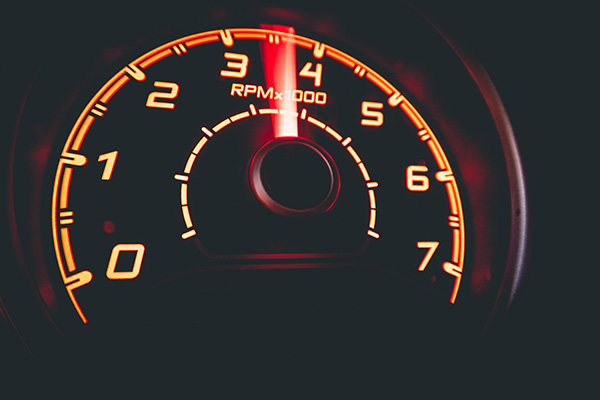
A rough-running engine without a warning light can be confusing in a very specific way. You can feel that something is off. The idle is uneven, the car hesitates a little, or the engine just does not feel as clean and steady as it should. Then you look at the dashboard, and there is nothing there to confirm it. That does not mean the problem is imaginary, and it does not mean the car is fine. Why Rough Running Can Show Up Before A Warning Light A check engine light only comes on when the computer detects a fault that's strong enough, and often enough, to set a code. That leaves plenty of room for problems that are real but not quite severe or consistent enough to trigger the light yet. In other words, the engine can be running poorly before the computer decides the issue crosses the line. That is why drivers sometimes feel the problem long before the dashboard says anything. A weak ignition part, a small vacuum leak, a dirty airflow component, or an early fuel ... read more
Posted on 2/27/2026
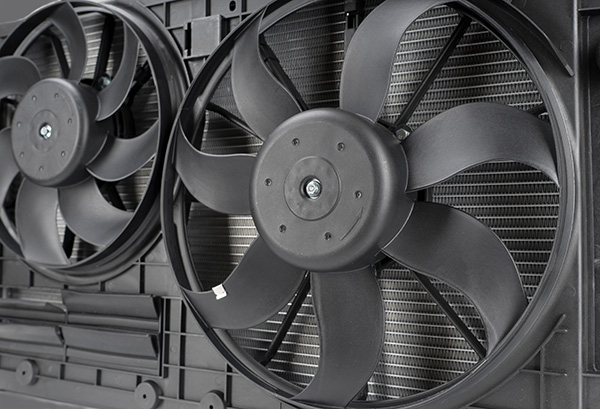
It can be a little unsettling to park, turn the key off, and still hear the radiator fan humming away. A lot of drivers assume something is stuck on or that the battery is about to die. In many cases, the fan running after shutdown is completely normal and is actually protecting the engine from heat soaking. The real question is how long it runs and whether it does it every time or only in specific conditions. When It’s Normal For The Fan To Run After Shut Down On many vehicles, the fan is allowed to run for a short time after you turn the engine off. The cooling system is still hot, and coolant is no longer circulating the same way it does when the engine is running. Letting the fan run can pull heat out of the radiator and the engine bay so temperatures settle down instead of spiking. If it runs for a minute or two and then shuts off, especially after a hot drive or sitting in traffic, that is usually expected behavior. You may notice it more in summer or a ... read more
Posted on 1/30/2026
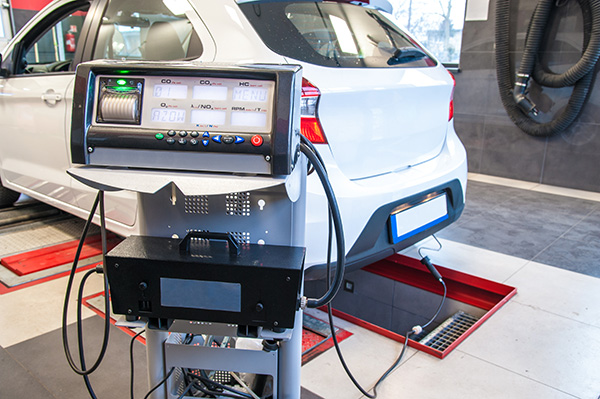
Fuel economy usually drops slowly enough that you second-guess yourself. You might blame traffic, weather, or a heavier foot on the gas. Then you fill up again sooner than expected and realize something has changed. One of the most common hidden reasons is a tired oxygen sensor, because it can quietly push the engine to burn more fuel than it needs. An oxygen sensor issue does not always feel like a drivability problem right away. The car can still start, idle, and cruise normally. Meanwhile, the engine computer may be making fuel adjustments based on inaccurate information, and that is where the extra fuel disappears. What An Oxygen Sensor Actually Does Oxygen sensors measure oxygen content in the exhaust stream. The engine computer uses that information to adjust the air-fuel mixture. The goal is to keep the mixture close to ideal, so the engine runs efficiently and the catalytic converter can do its job. Most vehicles have at least two oxygen sensors per bank. O ... read more
Posted on 12/19/2025
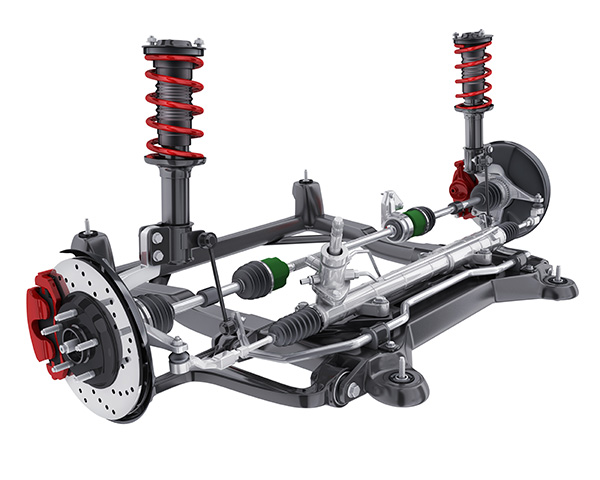
You hit a bump, the wheel tugs a bit, and the car feels just a little unsettled. On another day, you turn into a driveway and hear a clunk from the front. Most drivers lump all of that together as “front-end issues,” but the parts that keep your car pointed straight, and the parts that keep it riding smoothly, are doing different jobs. Knowing how steering and suspension systems differ makes it easier to understand what your car is trying to tell you when something feels off. How Steering and Suspension Work Together Steering and suspension systems are separate, but they are bolted to the same corners of the car, and they rely on each other. The steering controls the direction of the wheels, while the suspension manages how those wheels move up and down as the road surface changes. When everything is tight and healthy, the car responds quickly to small inputs and still absorbs bumps without beating you up. Once wear starts to creep in, the line between s ... read more
Posted on 11/28/2025

Holiday traffic looks like a parking lot with turn signals. Engines idle longer, brakes work harder, and drivers make faster decisions with less space. A little preparation and a few smart habits keep the car calm and give you a wider safety margin when the lanes fill up. The Hidden Load of Stop-and-Go Every crawl from zero to 10 mph puts heat into the engine, transmission, and brakes. Short bursts of throttle followed by quick braking also magnify small issues like weak coils, uneven tires, or a sticky caliper. We often see minor drivability quirks become obvious only when traffic is dense and speeds never stabilize. Heat, Idling, and Fuel Economy Idling with the heater, defroster, and lights on raises electrical and cooling demands. If a cooling fan is weak or the condenser and radiator face are clogged, coolant temperature can creep up in traffic even on a cool day. Automatic transmissions also run warmer during repeated launches. Fresh oil, cor ... read more